There are dozens of home EV chargers on the market. We've tested and installed enough to know which ones are genuinely worth recommending — and we've narrowed it down to three, one for each budget. Here's how they compare side by side.
Our top 3 picks — compared
We've chosen one charger at each price point. All three are 7.4kW and include full installation, certification and our 2-year guarantee. The differences are in the features — here's exactly what you get at each level.
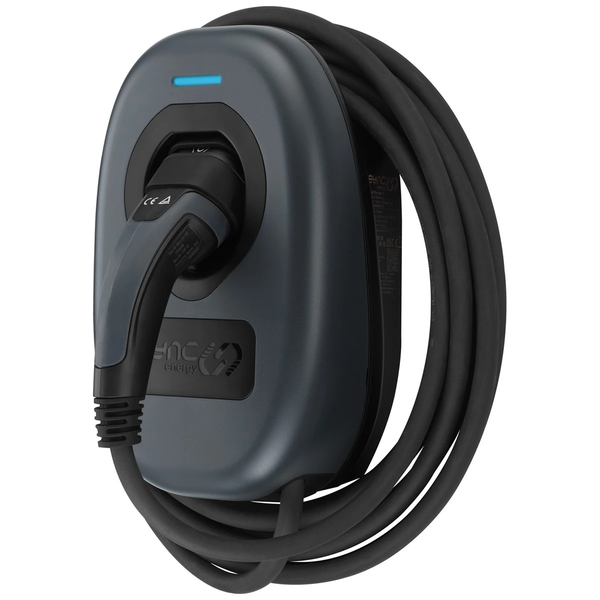
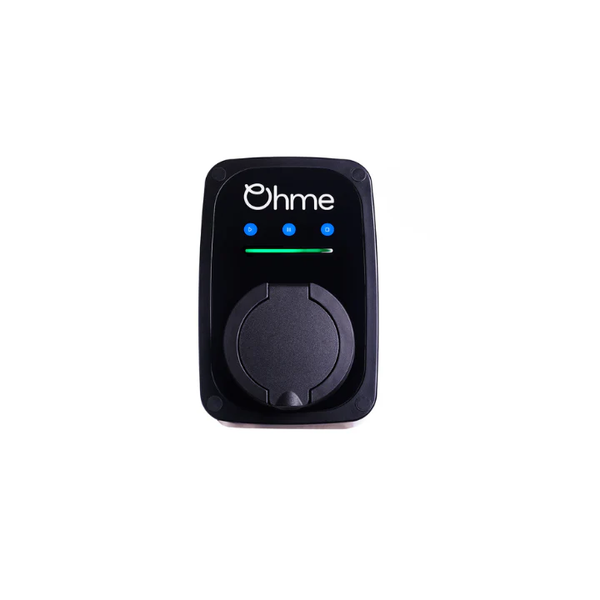
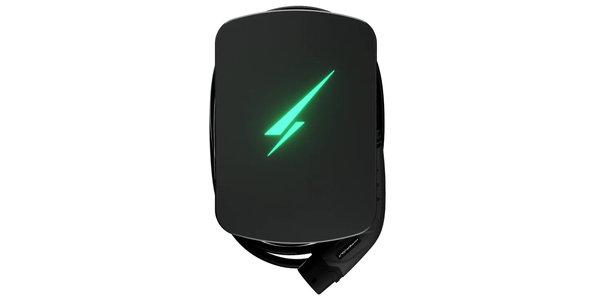
| Sync Energy | Ohme ePod | Hypervolt | |
|---|---|---|---|
| Charging | |||
| 7.4kW output | ✅ | ✅ | ✅ |
| ~30 miles range/hour | ✅ | ✅ | ✅ |
| Tethered cable | ✅ 7.5m | ❌ Socket | ✅ Yes |
| Smart features | |||
| Smart scheduling | ❌ | ✅ | ✅ |
| Off-peak auto charging | ❌ | ✅ | ✅ |
| App control | Basic | ✅ Full | ✅ Full |
| Energy monitoring | ❌ | ✅ | ✅ |
| Load balancing | ❌ | ❌ | ✅ |
| Solar & tariffs | |||
| Solar divert | ❌ | ✅ | ✅ Advanced |
| Octopus Go auto | Manual | ✅ Auto | ✅ Auto |
| What's included | |||
| Up to 10m cable run | ✅ | ✅ | ✅ |
| Part P certification | ✅ | ✅ | ✅ |
| OZEV grant eligible | ✅ | ✅ | ✅ |
| Workmanship guarantee | 2 years | 2 years | 2 years |
What's the actual difference?
All three chargers charge your car at the same speed — around 30 miles of range per hour. That part is equal. The differences come down to smart features, solar compatibility and build quality.
Smart charging — where the money is
The Sync is a basic charger — it charges when you plug in, at whatever electricity rate you're currently on. The Ohme and Hypervolt are smart chargers — they connect to your tariff and automatically charge at the cheapest overnight rate.
On Octopus Go (7p/kWh overnight vs 24p/kWh standard), that difference is worth around £480 per year at 10,000 miles. The £150 premium for the Ohme over the Sync pays back in under four months of smart charging.
Tethered vs socket — the cable question
The Sync and Hypervolt have a permanently attached cable — you walk out, grab the cable and plug in. The Ohme is a socket — you use your car's own cable. Tethered is more convenient day-to-day. A socket is more flexible if you ever change to a car with a different connector. For most people with one EV, tethered is the easier daily experience.
Load balancing and solar — do you need it?
Load balancing (Hypervolt only) prevents your charger from overloading your home's electricity supply when other high-draw appliances are running. Most standard homes don't need this, but if you have electric heating, a hot tub or high background loads it's a useful safety net. The Hypervolt also handles solar integration best — if you have panels and want to maximise self-consumption, it's the strongest option.
For most drivers, the Ohme ePod is the answer.
Smart charging pays back the premium in under four months.
Which one should you choose?
Choose the Sync Energy if budget is your main priority and you're on a standard tariff with no plans to switch. It's reliable, simple, and does the core job well.
Choose the Ohme ePod if you want to maximise savings with smart overnight charging, want app control and energy monitoring, or you're thinking about solar in the future. This is what we recommend for most drivers.
Choose the Hypervolt Home 3 Pro if you already have solar panels, have high home electricity demand, or simply want the best specification and build quality available.
For most people: the Ohme ePod at £1,049
The smart charging alone saves most drivers £400–500 per year over a basic charger on a standard tariff. The £150 premium pays back in under four months — making the Ohme the best value option over any realistic ownership period. Unless you have a specific reason to go basic or premium, start here.
Ready to choose yours?
Fixed-price installation across West Sussex, East Sussex and Surrey. Upload two photos and we'll confirm your price within 24 hours. 10% deposit to secure your date — balance on the day.
See your price